

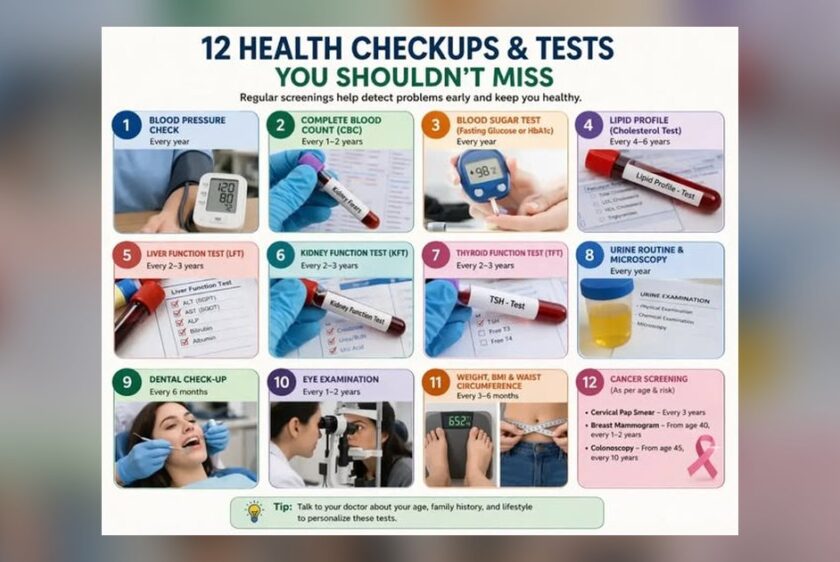
Most test requests arrive full of abbreviations. FBC, FBS, LFT, E/U/Cr. Nobody explains them, and it’s hard to ask the right questions about a test when you don’t know what it is. This guide covers the ones we see most often.
Full blood count (FBC)
The FBC counts the cells in your blood. Red cells and haemoglobin show whether you might be anaemic. White cells rise and fall with infection and inflammation. Platelets help your blood clot. Doctors order it for tiredness, fever, before surgery and as part of a routine check-up.
Blood sugar: FBS, RBS and HbA1c
Fasting blood sugar (FBS) is taken after at least 8 hours without food. Random blood sugar (RBS) can be taken at any time. HbA1c shows your average blood sugar over roughly three months, so it’s the best single test for tracking diabetes, and it doesn’t need fasting. Read more in our guide to diabetes tests.
Liver function test (LFT)
The LFT measures enzymes and proteins linked to the liver, such as ALT, AST, ALP, bilirubin and albumin. It helps doctors investigate yellow eyes, check for hepatitis and see how alcohol or medicines are affecting the liver.
Kidney function test (E/U/Cr)
Electrolytes, urea and creatinine show how well your kidneys filter waste and balance salts. If you have high blood pressure or diabetes, ask your doctor about checking it at least once a year, because both conditions can slowly damage the kidneys.
Lipid profile
Total cholesterol, LDL, HDL and triglycerides. Together they help estimate your risk of heart disease and stroke. Your doctor may ask you to fast for 9 to 12 hours first.
Others you’ll see often
- Urinalysis: a urine test that screens for infection, sugar, protein and blood.
- Malaria parasite (MP): a blood film or rapid test to confirm malaria before treatment.
- HBsAg and HCV: screening for hepatitis B and C.
- Genotype: identifies AA, AS, SS, AC or SC. Every adult should know theirs. See our guide to blood genotype.
- Hormonal profile: a group of hormone tests for fertility, periods and menopause. See how a hormonal profile test is done.
Which tests should you do?
That depends on your age, symptoms and family history, and your doctor is the right person to decide. For many adults, a yearly FBC, fasting blood sugar, kidney function, lipid profile and urinalysis is a reasonable starting point, especially if you’re over 40 or haven’t been checked in a while.
Frequently asked questions
Do I need to fast for all blood tests?
No. Fasting matters for fasting blood sugar and often for the lipid profile. An FBC, HbA1c, genotype and most infection tests don’t need it. If you’re not sure, call us before your visit.
How soon will I get my results?
It depends on the test. Ask at reception when you register and we’ll tell you when to expect them.
Book a test
Link Medical Diagnostic and Research Laboratories is at 19 Sam Mbakwe Avenue, World Bank Road, Owerri, beside Haven Suites Hotel. We’re open 8am to 5pm, Monday to Saturday. If you can’t come in, we can collect your sample at home.
This article is general information and doesn’t replace advice from your doctor. Take your results to a qualified healthcare professional for interpretation.


 English